God Of War – Ghost Of Sparta
1.6 gb
v2.00
PSP
2458
Description
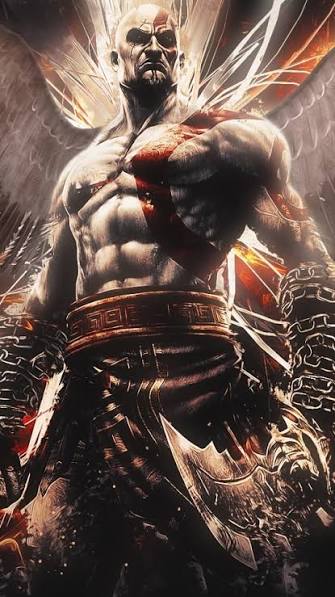
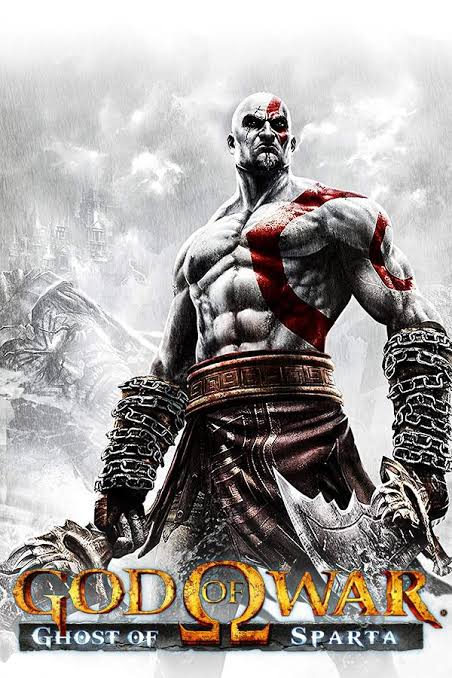
One of the best action-adventure games ever made for the PlayStation Portable (PSP) is God of War: Ghost of Sparta. The renowned God of War brand is further enhanced by this game, which is distinguished by violent combat, compelling story depth, and stunning visuals. Ghost of Sparta, which takes place between God of War (2005) and God of War II (2007), delves deeper into Kratos’s sad mythology and unseen aspects of his brutal history.
This game is still a must-play for anyone who enjoy Greek mythology, dramatic hack-and-slash gameplay, and narrative stakes uncommon in handheld games. It has been praised by both critics and players for pushing the PSP hardware to its limits. With the authority of a seasoned game specialist, we will go deeply into the game’s narrative, gameplay mechanics, graphics, reception, and legacy in this piece.
Kratos’s Odyssey: A New Chapter
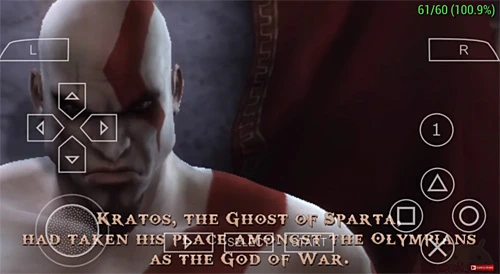
After Kratos assumes the role of God of War, God of War: Ghost of Sparta takes over. Driven by overwhelming sadness and plagued by images of his past, Kratos challenges the gods to unearth hidden facts about his ancestry and abandoned family. Players are introduced to Deimos, Kratos’ long-lost brother, whose disappearance at the hands of the gods continues to be one of Kratos’s greatest traumas.
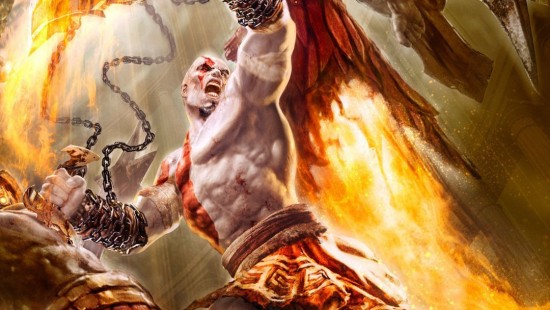
The Spartan warrior’s journey receives a new emotional depth from this personal mission, which expands his goals beyond simple retaliation against the gods. The story here focuses on Kratos’s personal grief, linking his wrath to a deeper context that connects the original games, in contrast to many of the franchise’s titles where mythic fights predominate.
Play: Unadulterated God Of War – Ghost Of Sparta Action at Your Fingertips
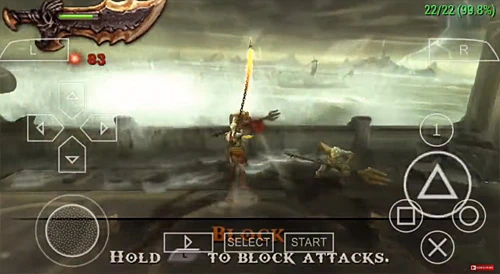
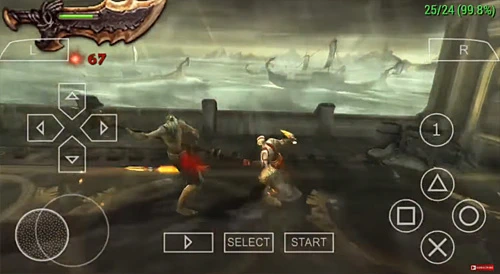
Fundamentally, Ghost of Sparta sticks to the traditional God of War model, which includes intense hack-and-slash action, seamless combinations, potent magic, and epic battles with legendary animals.
Weapons and Combatin God Of War – Ghost Of Sparta
Returning with his trademark chained weapons, the Blades of Athena, Kratos ruthlessly dispatches opponents.
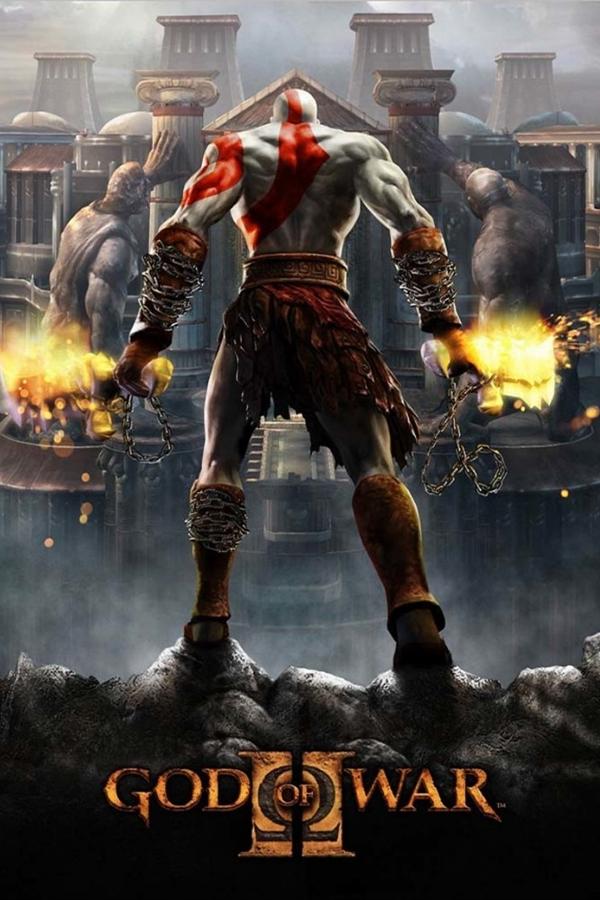
Ghost of Sparta adds new weapons to his traditional armory, such as:
- Arms of Sparta: a shield and spear combination that improves range and defensive strategies.
- Thera’s Bane: is an enhanced version of the Blades of Athena that consumes enemies.
- Magic Spells: These enhance battle tactics and include elemental curses and lightning attacks.
These tools improve replayability by adding tactical depth in addition to diversifying combat.
Platforming, Puzzles, and Exploration in God Of War – Ghost Of Sparta
The game incorporates exploration and puzzle components typical of its console equivalents, even if fighting is the main attraction. From the submerged city of Atlantis to volcanic tunnels, players traverse breathtaking settings while resolving environmental problems ranging from straightforward object manipulation to deft platforming sequences.
Visual Magnificence: A PSP Technical Wonder
The fact that Ghost of Sparta pushes the PSP hardware to its limits is one of its most celebrated accomplishments. The graphics, which feature intricate character models, dynamic lighting, and vividly recreated mythological settings that frequently cause players to forget they are holding a portable device, were praised by critics as having “console-level quality.”
Even in fast-paced combat scenarios and lengthy cutscenes, Ghost of Sparta maintains a fluid frame rate and avoids discernible slowdown, in contrast to many handheld games of its era.
Voice Acting and Audio: A Mythic Soundscape
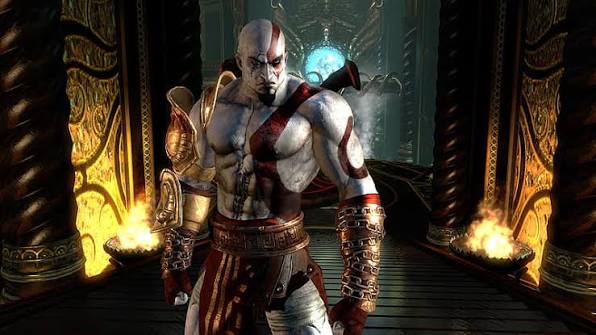
An engrossing symphonic soundtrack and powerful sound design that intensifies combat scenes and dramatic moments complement the visual fidelity. Terrence C. Carson plays Kratos again, emulating the character’s anguish and unadulterated violence.
The audio design raises the handheld experience to the level of larger console productions with everything from ambient orchestral themes to deafening adversary roars.
Player Reception and Criticism in God Of War – Ghost Of Sparta
God of War: Ghost of Sparta was met with extremely good reviews when it was released. It has an 86 Metascore, which reflects praise from reviewers who highlighted its story, gameplay, and graphics—especially impressive for a portable game at the time.
With an average Metacritic score of 8.8 and numerous gamers placing it among the greatest PSP games ever, user reviews also demonstrate a high level of admiration.
Players often draw attention to:
- The story’s emotional depth.
- The sophisticated fighting that feels authentic to the God of War ancestry.
- The visual experience that conceals the hardware constraints of the PSP.
The general opinion is still largely positive despite a few criticisms, such as the fact that there aren’t as many boss battles as in console games.
Legacy: Taking Center Stage Among PSP Classics
Ghost of Sparta is still praised in the gaming world years after it was first released in November 2010. It frequently appears on lists of the greatest PSP games ever made, demonstrating how it can compete with renowned handheld games.
Many people believe that Ghost of Sparta, which combines cinematic presentation, difficult gameplay, and emotionally powerful storytelling, is what portable action games should aim to be.
Final Thoughts: An Essential Masterpiece
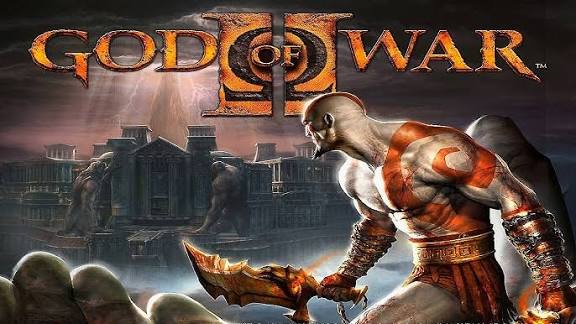
God of War: Ghost of Sparta is a crucial chapter that expands our comprehension of Kratos and his torturous path, not just an add-on to a cherished franchise. This game demonstrated that portable gaming could provide experiences comparable to those on consoles, from its captivating story and sophisticated fighting to its breathtaking graphics and audio.
Ghost of Sparta, which combines thrilling action with legendary storytelling, is a benchmark for portable game design, regardless of whether you’ve been a fan of the franchise for a long time or are new to Greek myth and action games.
related games
https://prodcastapk.com/tekken-7-ppsspp-zip-download-for-android/
Images